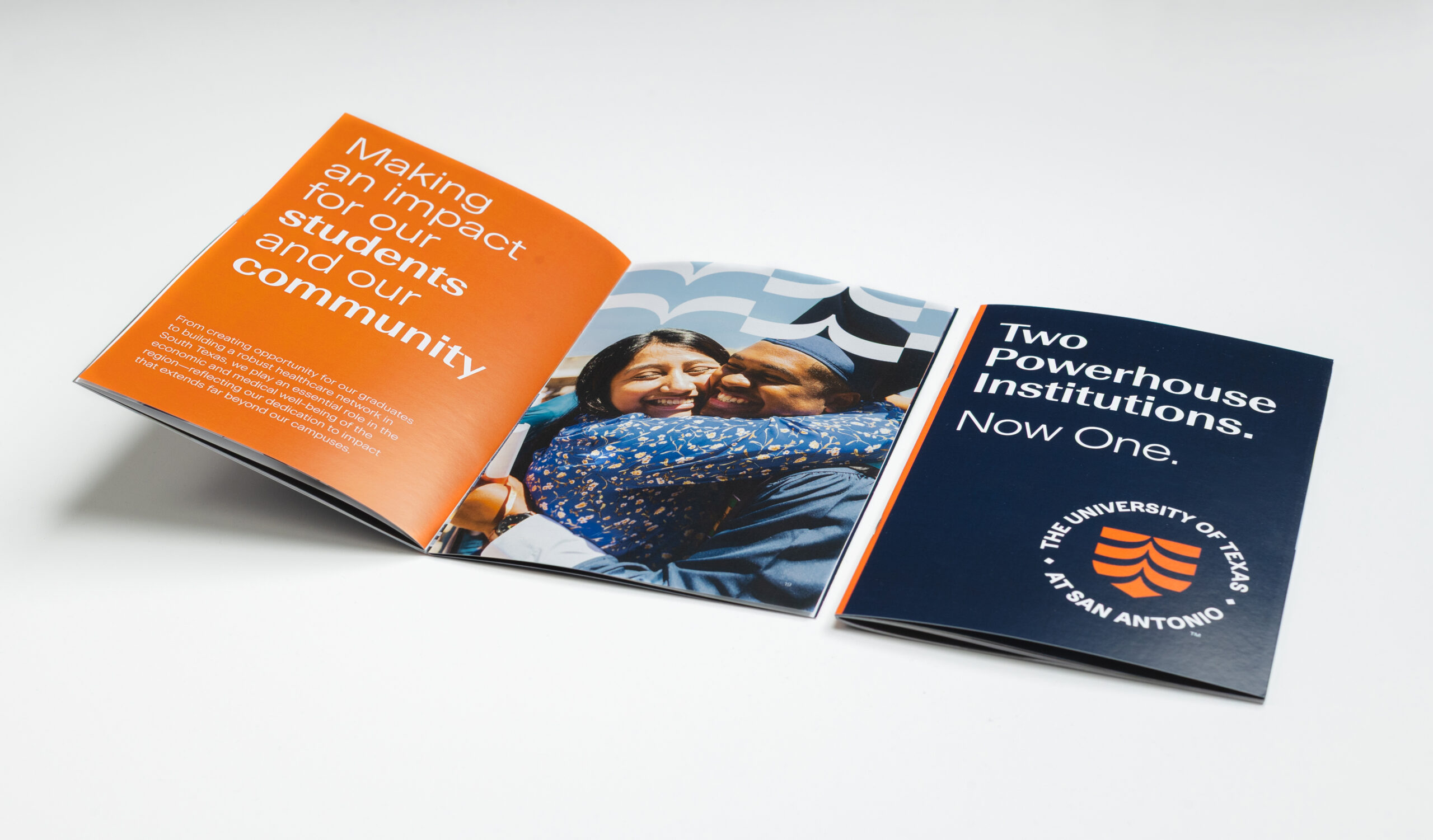
Driving Discovery
Fighting dementia and Alzheimer’s. Pioneering cancer treatment and mitigating urban heat. Advancing artificial intelligence in medicine and cybersecurity, among other critical industries. As one powerhouse university, we’re performing more groundbreaking research to make a bigger difference for more people.
Largest research university in Texas
Annual research portfolio
Active clinical trials in Texas
Bigger. Better.More collaborative.
By combining a research-intensive university with a world-class academic health center, we’re now the third largest research university in Texas — and we’re facilitating even more research opportunities and cross-disciplinary collaboration. We have over half a billion dollars in our annual research portfolio, and we are investing in critical, high-impact areas like aging and brain health, applied cancer research and treatment and AI. And with over 520 active clinical trials in Texas, we’re advancing new solutions and cures for people in Texas and beyond.
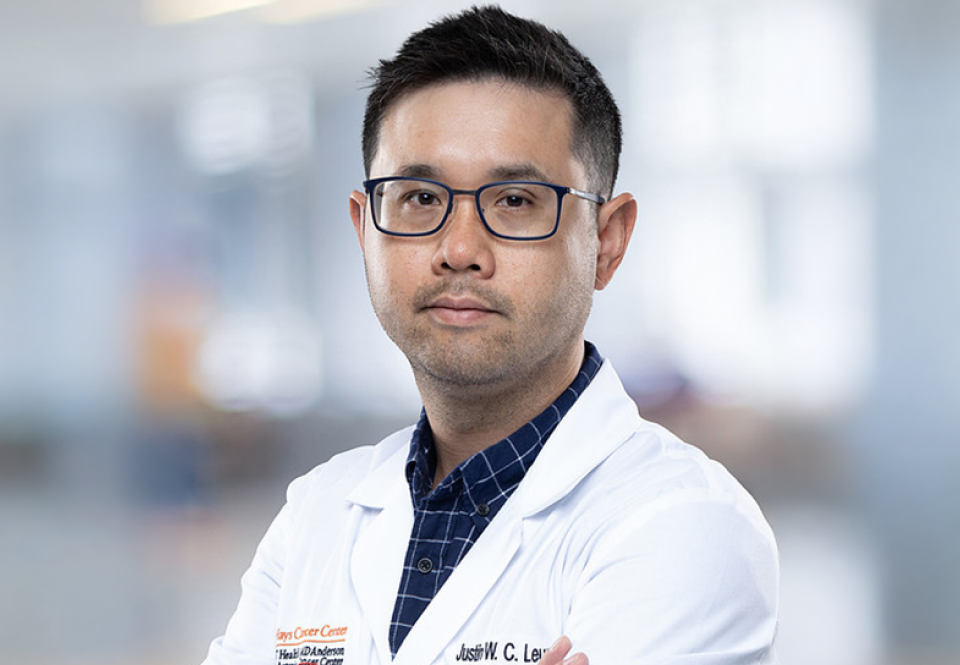
DNA Repair Research
Justin Leung, PhD, is an associate professor in the Department of Radiation Oncology in the Long School of Medicine at UT San Antonio, where he investigates how cells repair damaged DNA to maintain genome stability and prevent cancer. His laboratory studies the chromatin-based signaling pathways and molecular mechanisms that govern DNA repair, uncovering new therapeutic targets to overcome cancer treatment resistance. Supported by more than $4.6 million in NIH funding, his research is advancing the development of next-generation precision therapies for cancer.

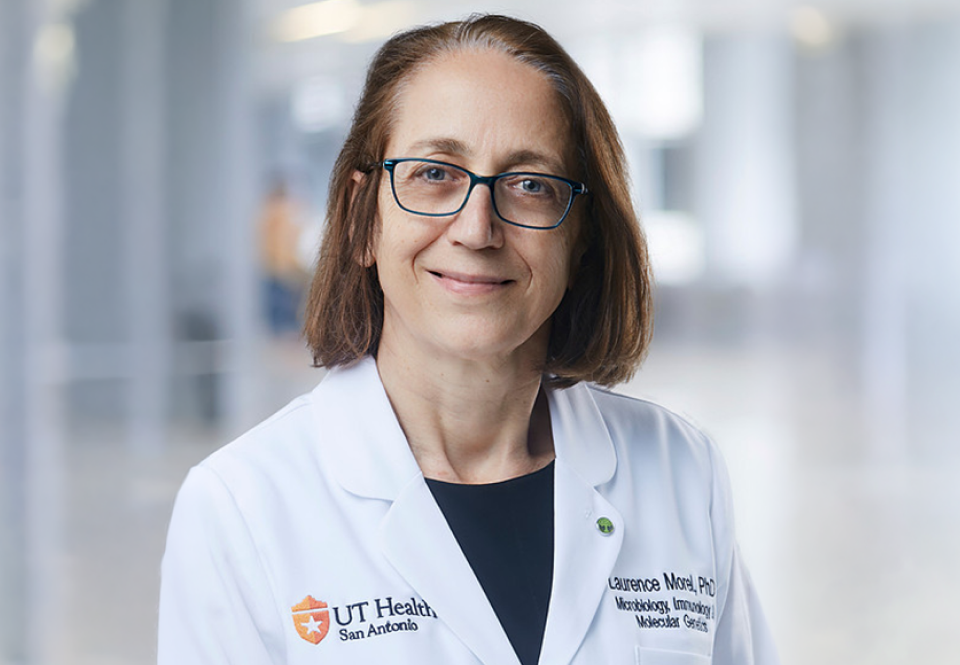
Microbiome Discovery
Laurence Morel, PhD, is professor and Zachry Foundation Distinguished Chair of Microbiology, Immunology and Molecular Genetics in the Long School of Medicine at UT San Antonio, where she studies the genetic, immune and microbial mechanisms that drive lupus. Her research has identified the first potential probiotic treatment for lupus by restoring beneficial gut bacteria, opening a promising new approach to treating autoimmune disease. Through NIH-supported research, her work advances precision therapies that target the underlying causes of lupus rather than only managing its symptoms.
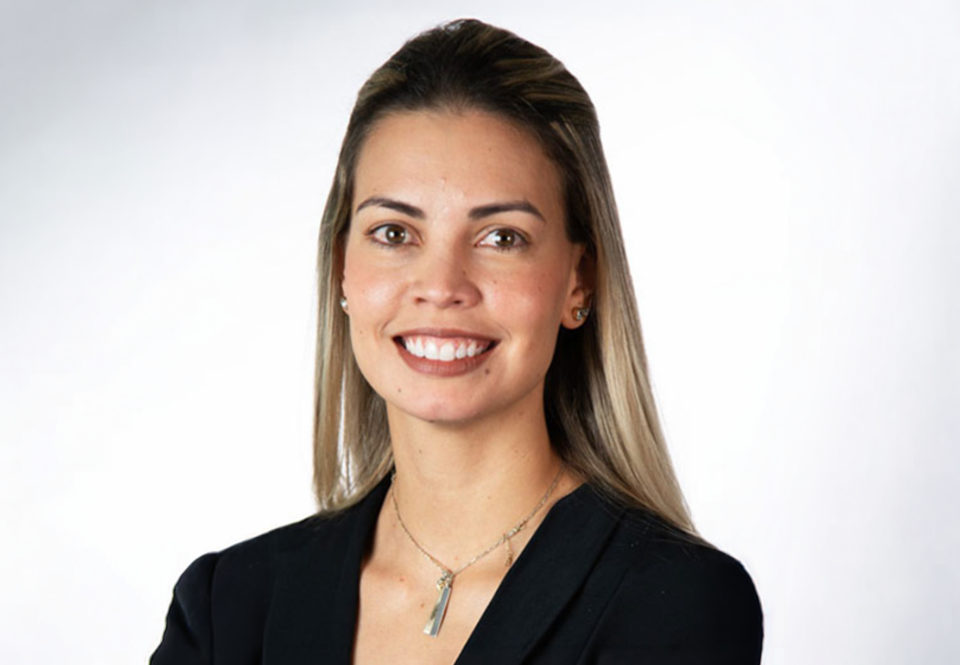
Impact on Fat Nanotherapy
Maria Gonzalez Porras, PhD, is an assistant professor of biomedical engineering at UT San Antonio researching fat cell transformation. Using nanotechnology, she develops targeted ways to modulate metabolism, with applications in obesity treatment, muscle regrowth after injury and cancer cachexia. Supported by NIH and CPRIT and recognized with the Voelcker Fund Young Investigator Award, her work advances metabolic disease, cancer care and rehabilitation.
AI Impact for All
Dhireesha Kudithipudi, PhD, is a world leader in AI systems research, reimagining how AI thinks, learns and serves humanity. As founding director of MATRIX: The UT San Antonio AI Consortium for Human Well-Being, she drives research in lifelong learning, energy-efficient AI and human-centered systems that create real impact across healthcare, semiconductors and smart cities. Through this work, she is shaping the next generation of innovators and advancing discoveries across Texas and beyond.
Impact in action
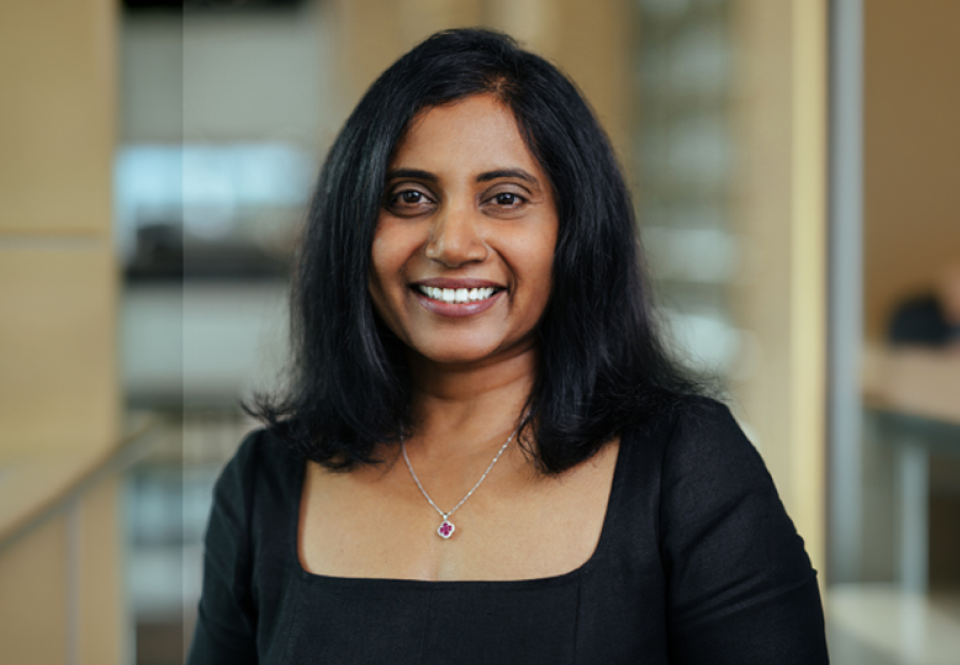
Armen N. Akopian, PhD, is a leading neuroscientist and professor of endodontics at the School of Dentistry whose research is advancing the understanding of chronic pain and how it can be treated more effectively. His work focuses on the cellular and molecular mechanisms that drive pain, examining how sensory neurons and signaling pathways contribute to conditions such as migraine, temporomandibular joint disorders and inflammatory pain. Akopian and his team are uncovering new targets for safer, more precise therapies. Through a multidisciplinary approach that integrates electrophysiology, pharmacology, molecular biology and behavioral physiology, his research is helping guide the development of next-generation, non-opioid treatments that could improve care for patients experiencing chronic pain.
Impact on Healthspan
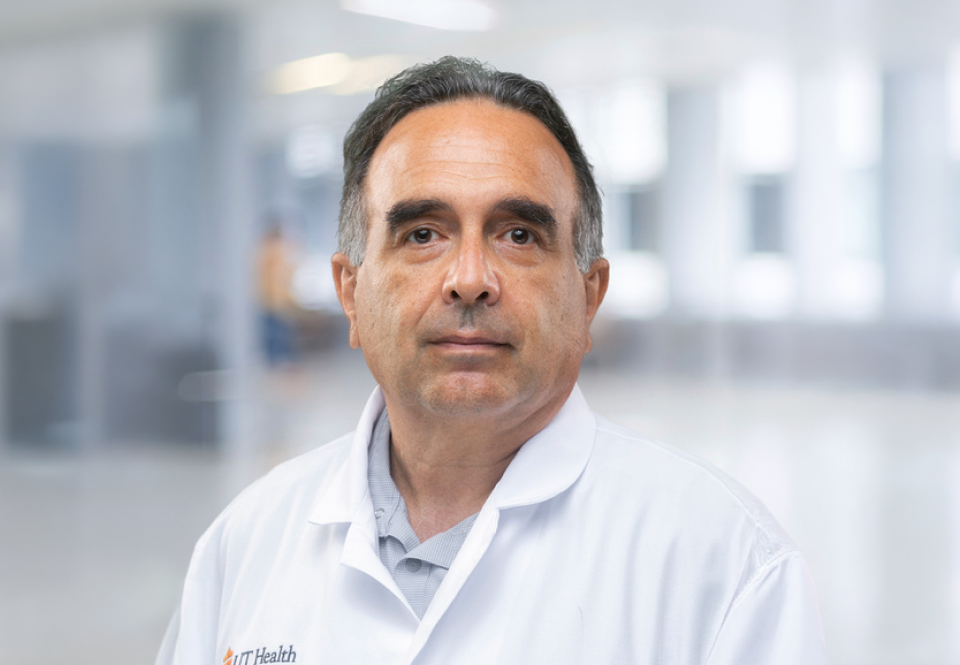
Elena Volpi, MD, PhD, is at the forefront of geriatrics and aging studies as the director of the Sam and Ann Barshop Institute for Longevity and Aging Studies. The institute is a recognized leader in geriatrics, one of the nation’s premier aging research centers designated as a Nathan Shock Center of Excellence in the Biology of Aging, a Claude D. Pepper Older Americans Independence Center, and as a key site for the NIH-NIA Interventions Testing Program. Volpi’s work focuses on sarcopenia, the loss of muscle and function associated with aging, and improving movement in older adults. She leads clinical trial sites testing new interventions for dementia care, fall prevention, recovery from heart failure and prevention of disability — offering hope for healthy longevity.
Impact in Flight
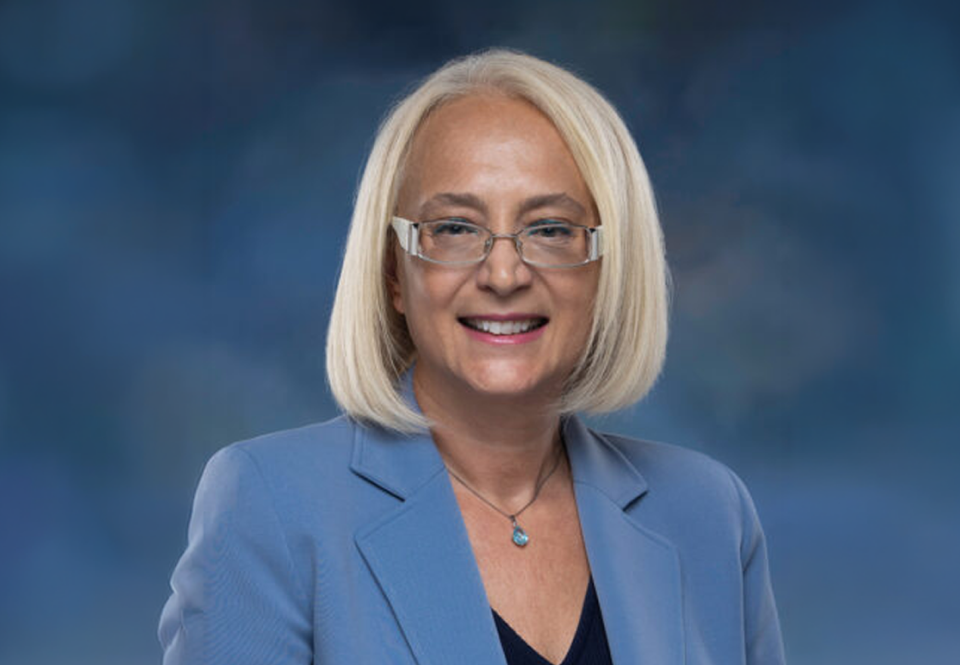
Daniel Pineda, PhD, leads the Laser Spectroscopy and Chemical Propulsion Laboratory, where he and his students conduct experiments and measurements to advance aerospace engineering and other fields. His research primarily focuses on the development of optically-based sensors and laser absorption spectroscopy techniques to study advanced chemical propulsion, hypersonic flight and carbon-free energy conversion. A recipient of the prestigious National Science Foundation (NSF) CAREER Award and American Chemical Society (ACS) Doctoral New Investigator Award, Pineda is recognized for his work in pioneering sensing techniques for extreme environments — including those in rocket engines — using a 28-foot-long shock tube facility to identify more sustainable methods of chemical energy transformation.
Impact Recharged
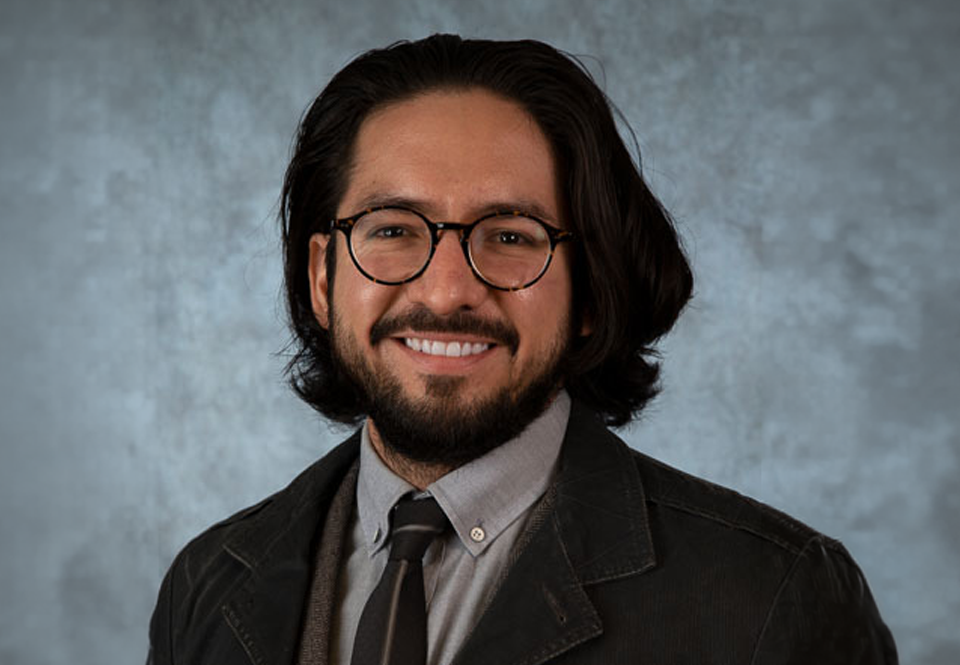
Itamar Lerner, PhD, is a prominent researcher whose work leverages computational and cognitive neuroscience to study sleep, memory and learning. His lab, the Sleep and Memory Computational Lab, investigates the dramatic impact of sleep on emotional regulation, fear memory, insight learning, pattern detection, and the formation of false composite memories. His research on the role of Rapid-Eye-Movement (REM) sleep in combating excessive fear learning has been widely recognized for its potential to better understand PTSD development. He received an NSF CAREER award for his longitudinal study on baseline sleep and its effect on emotional regulation in the context of real-life stressors in emergency responders.
Impact Amplified
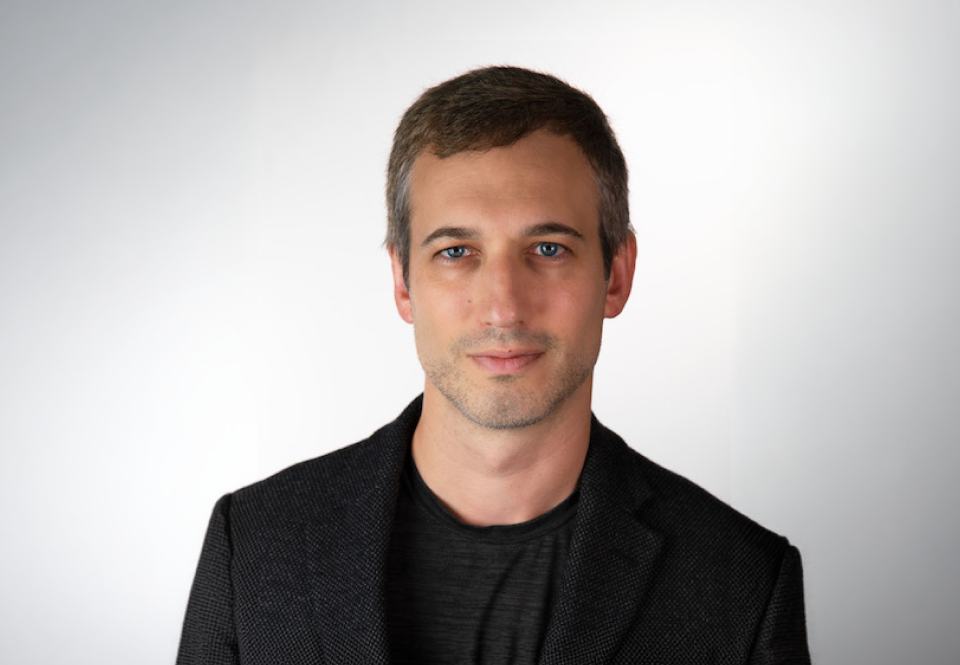
Sudha Seshadri, MD, is a leading expert in Alzheimer’s and dementia. As the founding director of the Glenn Biggs Institute for Alzheimer’s and Neurodegenerative Diseases, she’s working to discover what causes memory loss and how to prevent it. Her team studies how genetics and blood vessel health affect the brain, with the goal of identifying the disease earlier and improving treatment. Through groundbreaking research, community partnerships and clinical trials, Seshadri investigates how we can protect our minds, preserve our memories and push science forward.

Impact Modeled
As the director of UT San Antonio’s Vision and AI Lab and associate professor in the College of AI, Cyber and Computing, Amanda Fernandez, PhD, is deeply committed to research. She designed a special topics course to help students develop an inquiry-driven approach to their research that, like hers, delivers real-world results. Her own research ranges from using AI deep learning in nuclear materials characterization to using generative neural networks for next-gen medical imaging. Her work exemplifies our culture of innovation and advancing discovery—and is shaping the minds that will do so next.

Impact Unlocked
Patrick Sung, DPhil, leads transformative cancer research as director of the Greehey Children’s Cancer Research Institute and associate dean for research in the Long School of Medicine. A world-renowned expert in BRCA-related cancer biology, he and his team investigate DNA repair pathways to better understand how mutations in genes like BRCA1 and BRCA2 lead to breast cancer. Sung's research has earned international recognition, including the 2024 Basser Global Prize, and made an incredible impact, benefiting patients and their families around the world.
Impact Rewired
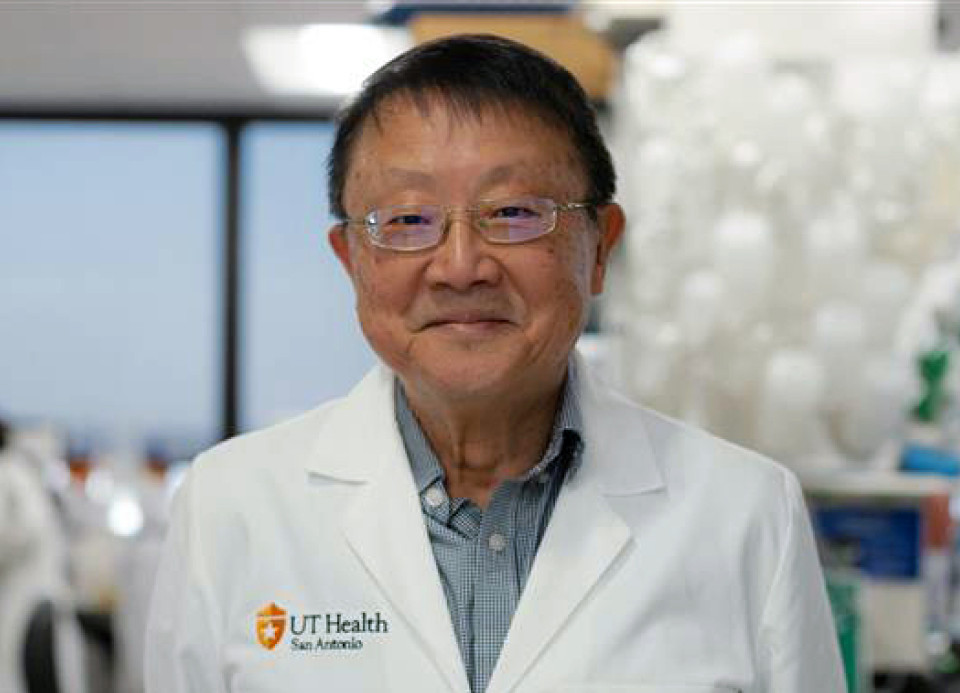
Jenny Hsieh, PhD, leads and champions neuroscience research as the Semmes Foundation Distinguished Chair in Cell Biology. Also the director of the Brain Health Consortium, Hsieh brings together scientists across disciplines to shape the future of the field. At the Hsieh Lab, she and her team use stem cells, 3D brain organoids and disease modeling to study the roots of Alzheimer’s, Parkinson’s and epilepsy. Their research is accelerating precision medicine and treatment for brain disorders and creating new hope for patients.

Join us in making scientific impacts
Innovation starts with innovative minds. See how UT San Antonio can help you achieve your research ambitions.

UT San Antonio now rivals a Fortune 500 company in size, scope and influence; yet its mission is far greater. It exists to educate, discover, provide advanced patient care and serve the public good.
Community leader
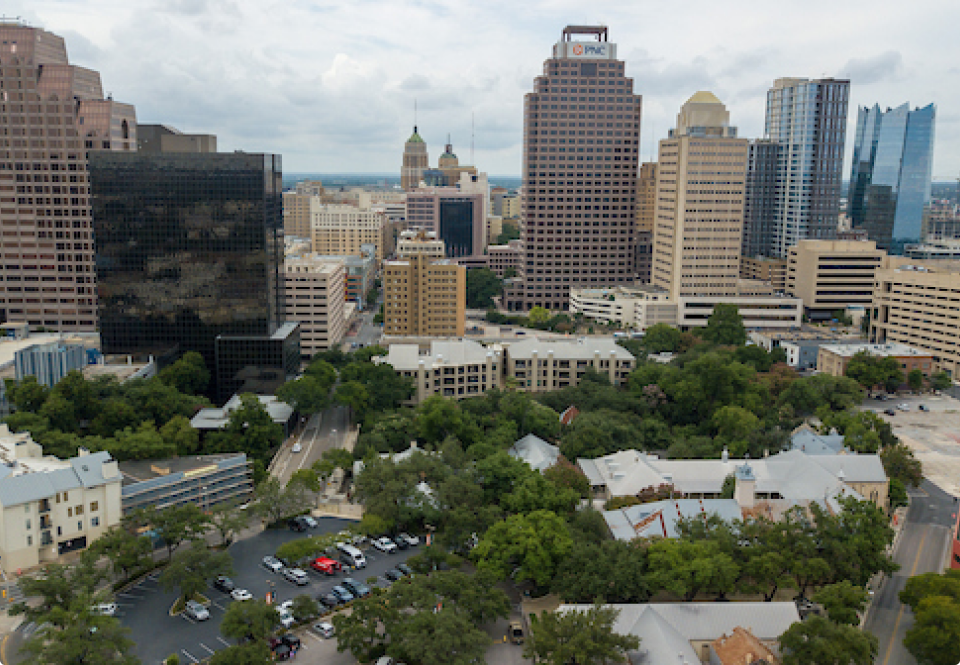
My ambition is for UT San Antonio to be known as the place where ideas move to impact faster than anywhere else.
Faculty
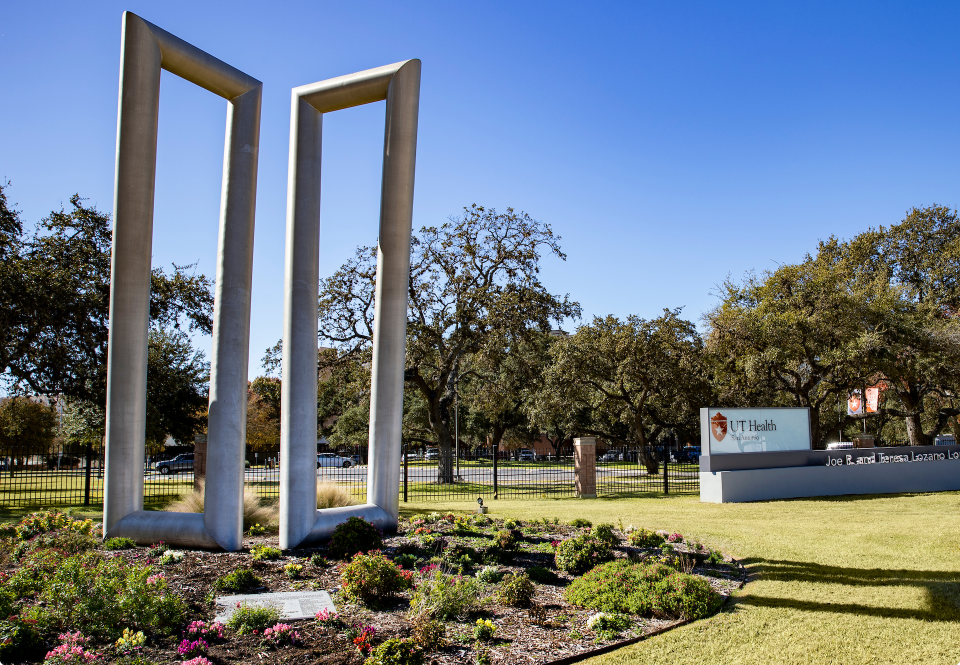
As a proud alumnus of a four-generation Roadrunner family, I am celebrating how this merger has made UT San Antonio the third-largest public research university in Texas, and how it provides a new brand identity for our city.
Community leader

My ambition is for people to be wowed when one of our researchers walks into the room.
Researcher
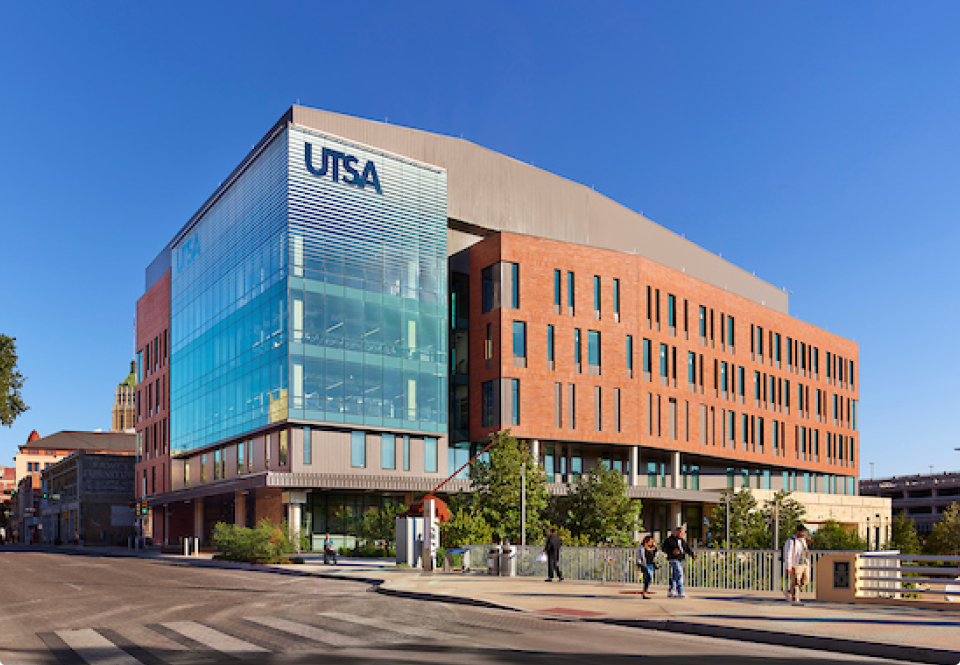
My ambition is for UT San Antonio to be a place where innovation is rewarded, risk-taking is supported and failure is seen as part of the path toward discovery.
Faculty
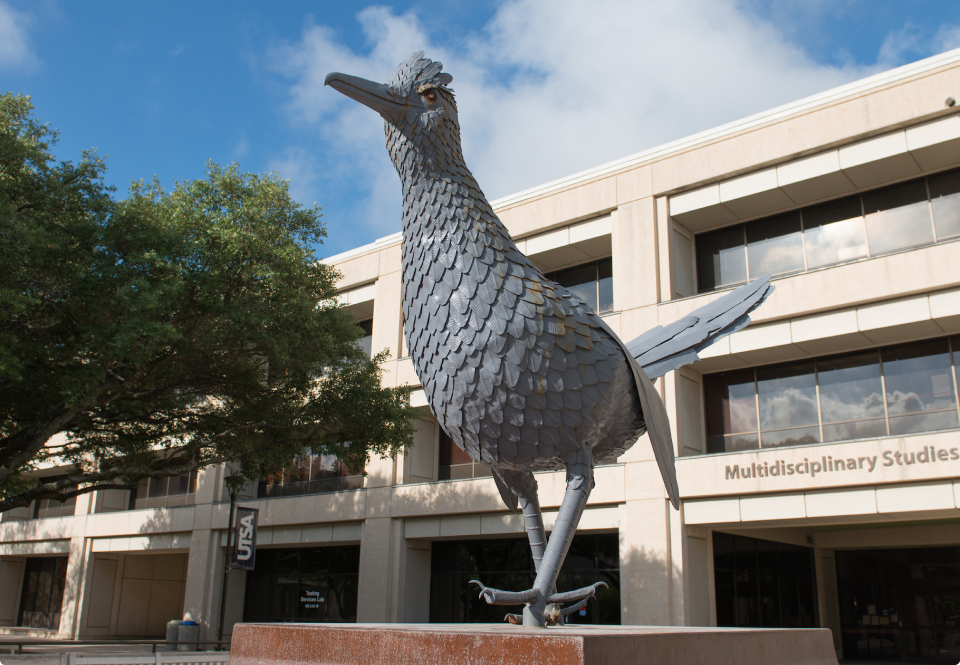
My ambition is for every faculty member, healthcare leader and researcher here to feel that this is where you can create your legacy, not fit into someone else's.
Healthcare professional
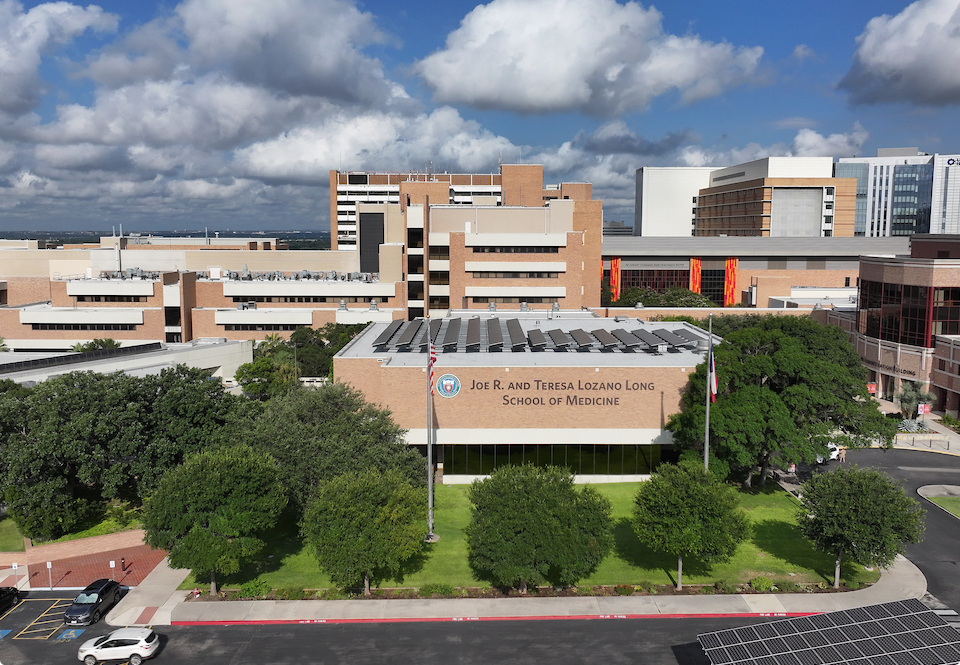
Keep exploring
Learn more about how our university is evolving—and the ways in which it’s making a difference in San Antonio and beyond.